
Rehab & Exercise at Align Health Co
Personalised programs based on your assessment, your work, and your life. Rehab at Align Health Co is the part of the plan that builds the strength to stay out of pain, not just to get out of it.
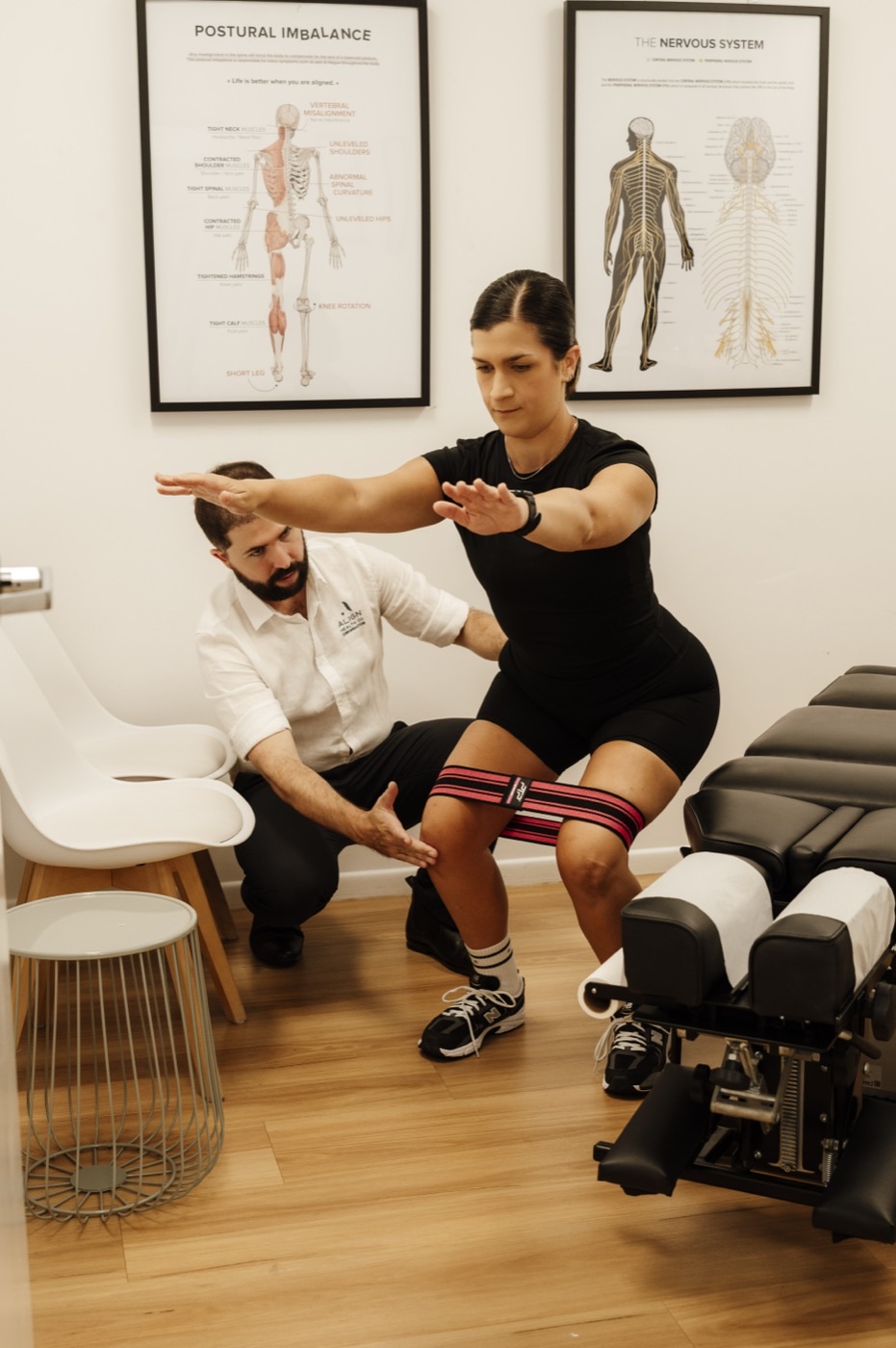
Pain Relief Is Phase One
Treatment settles the joint, releases the muscle, restores the movement. That part is necessary. From a longevity standpoint, rehabilitation assists in keeping the pain from coming back. If the structures around an injured joint are weak or not activating correctly, the same problem comes back.
Exercises are matched to what the assessment finds, adjusted for your work and your week. The point is that you need less care over time, not more.
That is the difference between treatment that lasts and treatment that resets every time something flares.
Don't Wait for Something to Break
Most people book a chiropractor when something is already broken down. The movement faults, muscle imbalances and joint restrictions that lead to that point, are usually identifiable before they cause an injury.
The difference between someone who has persistent injuries and someone who doesn't is often whether the risk factors have been identified and addressed before they reach a tissue damage point. Rehab is both halves of that: recovery after the injury, and injury prevention.
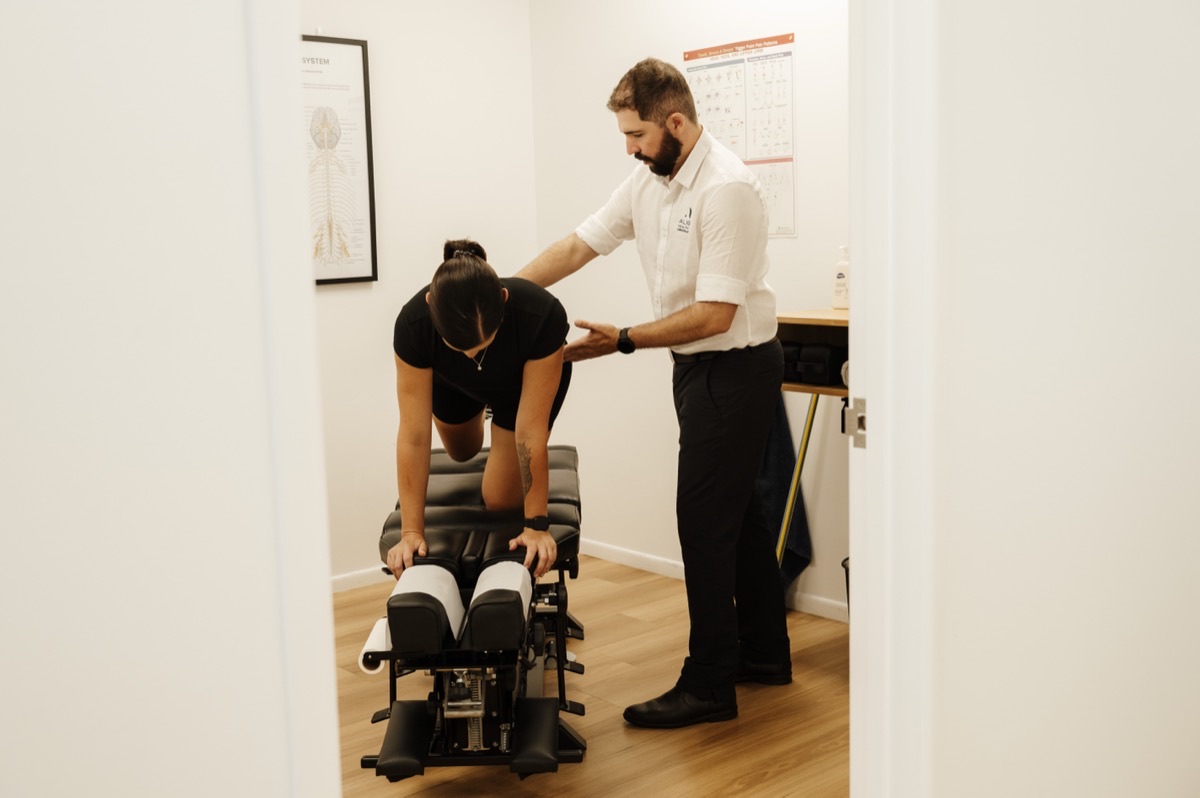
What We Look At
1. Movement Screening How your body moves under load. Where the restrictions are sitting and which patterns are loading the wrong structures.
2. Muscle Balance Assessment Asymmetries and weaknesses that haven't yet caused pain but are accumulating risk. Most of the recurring injuries we see are preceded by detectable imbalances that could have been corrected earlier.
3. Postural Analysis Particularly relevant for workers in fixed positions for extended shifts. What your body is doing during long periods of stillness, and what that's costing the structures involved.
4. Functional Demands Review What your body actually needs to do for your work or your sport.
5. Targeted Program Specific exercises and treatment addressing what the assessment finds.
The Ongoing Process
1. Assessment Identify the movement faults, weaknesses and load patterns contributing to the problem.
2. Program Design A plan built around your diagnosis, your roster or training week, and your access to equipment. If you have no gym, the program reflects that. If you train four days a week already, it integrates with what you're doing.
3. Teaching You leave knowing exactly how to do each exercise and why it's in the plan. Technique is shown and demonstrated at your appointment.
4. Progression The program evolves as you get stronger. We build on the progress of the individual rehab exercises.
5. Transition As treatment frequency reduces, the exercise program sustains the gains. The goal is that you become in control of your healthcare.
The Patients Who Get the Most From This
Mining and Shift Workers Staying functional across long rosters. A 7-on / 7-off pattern doesn't leave much margin when something starts to give. Rehab helps while you are out working not able to get treatment.
Athletes Returning from injury as quickly as possible. Most overuse injuries develop from movement asymmetries and load imbalances that have been accumulating for weeks.
Anyone Who Trains Regularly Active adults, weekend trainers, anyone whose body needs to keep doing what it's doing for the next 20 years. Proactive assessment and maintenance is the most efficient use of healthcare time if staying in the gym (or on the trail) actually matters to you.
People Who Have Been Told To "Do Their Exercises" Without anyone explaining why, or checking the form, or progressing the program. That isn't rehab. That's a handout.
Other Treatment Approaches at Align Health Co
Stop Fixing the Same Injury Twice
Getting out of pain matters. Not ending up back in pain in three months matters as well. Book an initial consultation and we'll assess what's building and what needs treating. Your written working diagnosis and structured rehab plan are covered at your second appointment, the Report of Findings.