
Dry Needling in Mackay
Faster relief for muscle pain, tightness, and the kind of recurring injury that won't settle with rest alone. Delivered by CPD Health Courses certified chiropractors, available the same visit as your assessment.
What Actually Happens
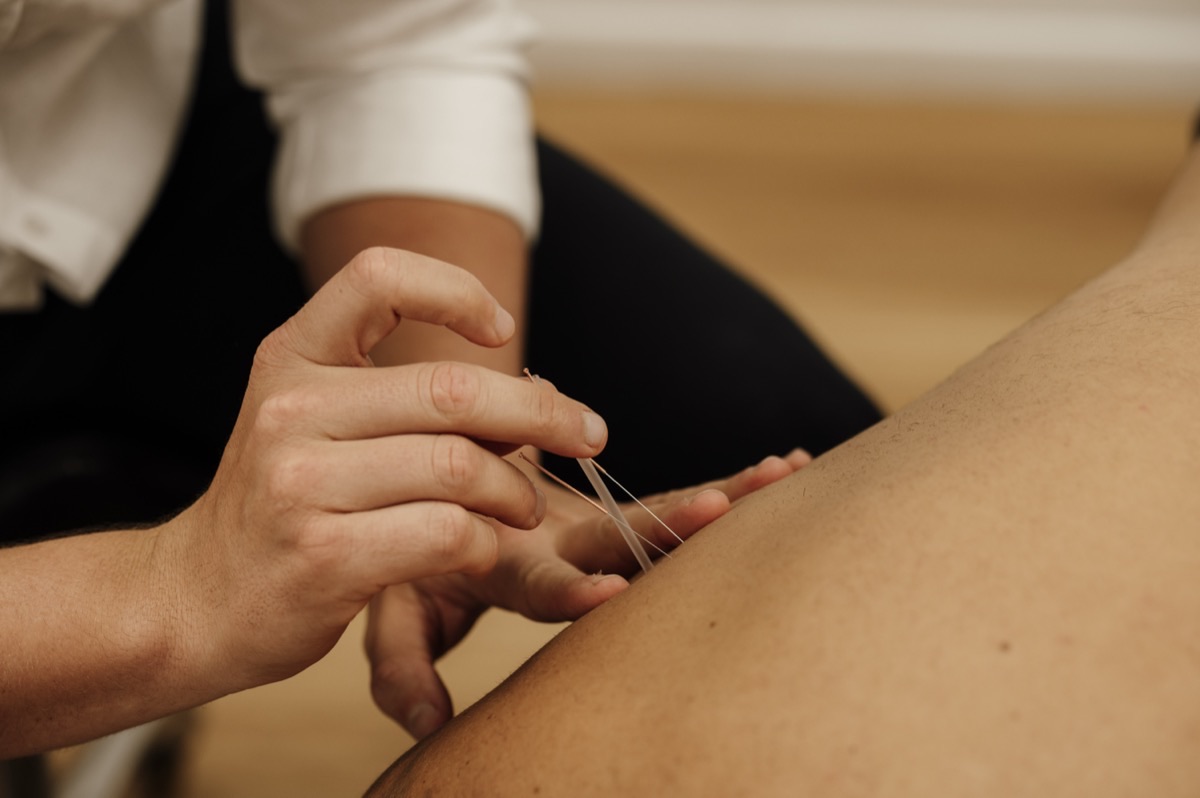
Dry needling uses very thin, sterile needles placed directly into a tight muscle or trigger point. The needle reaches the part of the muscle that's locked up and produces a brief local twitch response. The muscle releases and blood flow improves. The pain and/or weakness pattern that was being driven by that tight tissue starts to ease.
It is one of the most direct ways to change what a muscle is doing. For presentations driven by soft tissue rather than a joint restriction, it often gets a result more quickly than manual therapy on its own.
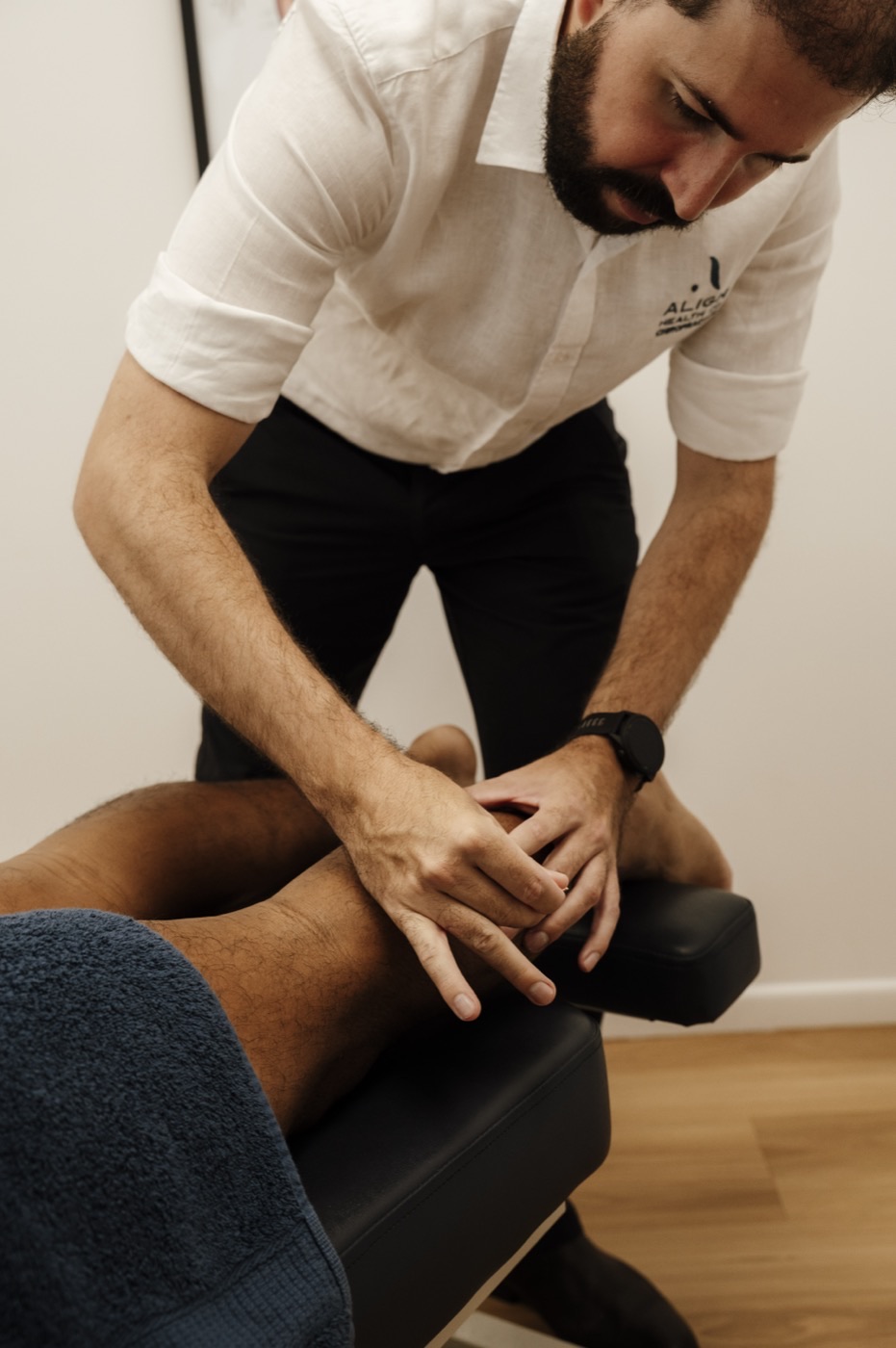
At Align Health Co dry needling is used two ways. As a standalone treatment when the assessment points clearly to muscle as the driver. Or alongside a chiropractic adjustment in the same appointment when both the joint and the surrounding muscle need attention. Your practitioner will walk through which approach makes sense for what you came in with before any needles come out of the packet.
Dry Needling vs Acupuncture
Both use thin needles. That's where the similarity ends.
Dry needling targets the neuromuscular system. The needle goes into a specific trigger point or band of tight muscle, and the goal is a measurable physical change in that tissue. Acupuncture comes from traditional Chinese medicine and follows meridian theory, with needles placed at points mapped to energy pathways rather than to a specific muscle. Different framework, different purpose, same tool.
If you've had acupuncture before and assumed dry needling would feel similar, it usually doesn't. The sensation is more direct, more local, and more linked to the muscle being treated.
Common Presentations
Patients often seek dry needling for muscle-based pain and tightness that hasn't resolved with stretching, rest, or general bodywork. Common reasons people book in include:
- Lower back pain and stiffness, especially after long shifts or long drives
- Neck pain and the upper-trap tightness that comes with desk work and heavy lifting
- Shoulder pain and rotator cuff injury
- Headaches driven by neck and jaw tension
- Hip and glute pain, including deep referred pain into the buttock
- IT band tightness, knee pain and lateral thigh pain
- Calf and Achilles tightness, particularly in runners and shift workers on their feet all day
- TMJ, jaw tension, headaches and migraines
This is not a list of conditions we promise to cure. It's the type of presentation where dry needling is commonly used as part of a wider treatment plan, and where most patients notice a meaningful change inside the first one to three sessions. Mining and shift workers, in particular, make up a large share of the bookings (more on that on the Mining & Shift Workers page).
Does It Hurt?
There is a sensation sometimes, and we'd rather be straight with you about it than pretend there isn't.
Most patients describe the moment the needle reaches the trigger point as a deep ache, a pressure, or a brief muscle cramp. It's the local twitch response doing its job. That part can be uncomfortable for a second or two, and then it passes. The needle itself going through the skin is barely felt.
People who've been told dry needling is completely painless and then feel that first twitch tend to lose trust in the practitioner. We'd rather you walk in knowing what to expect. If you've never had it before, your practitioner will start gently, check in as they go, and adjust based on how you're responding. This is a key point, we will always keep an open line of communication when performing any treatment, especially dry needling.
For some patients that want dry needling but are afraid of needles the approach can be so gentle and finer needles used so that they barely feel the needle at all and still get good results.
Trained, Integrated, Never Applied Blindly
Dry needling is a precision technique. Done well, it changes a presentation quickly. Done poorly, it's uncomfortable and ineffective. Training matters.
All dry needling at Align Health Co is performed by chiropractors certified through CPD Health Courses, one of the most rigorous and safety-focused dry needling certification pathways available to allied health practitioners in Australia. That includes anatomy depth, needle-handling protocols, and supervised practical hours before sign-off. It is not a weekend course.
The other thing worth knowing: dry needling here is always part of an assessment, never a standalone "poke and hope" session. Your practitioner will work out where your pain is actually coming from, decide whether dry needling is the right tool for it, and explain why before treatment begins. If something else is more appropriate, we'll tell you. Dry needling sits inside the broader Performance Chiropractic care model alongside adjustment and rehab.
It is also worth mentioning at Align Health Co the chiropractors use Dry Needling to help muscles that have been underactive, weak or overall a bit lazy. This is really important in getting to the actual cause of patients symptoms rather than just chasing symptoms/pain. One of the best examples is the great results we have seen from Dry Needling the calf muscles for patients with Plantar Fasciitis. As the calf being more relaxed and better activated leads to dramatic reduction in plantar fascia pain in many cases.
Common Questions About Dry Needling
What's the difference between dry needling and acupuncture?
Both use thin needles, but the framework is completely different. Dry needling targets specific muscle trigger points and works on the neuromuscular system. Acupuncture follows traditional Chinese medicine meridian theory. Same tool, different purpose.
Does dry needling hurt?
There is a sensation sometimes. Most patients describe it as a deep ache or a brief cramp when the needle reaches the trigger point, this doesn't happen every needle only some. It passes quickly. Many people find it more comfortable than they were expecting. If you're nervous, tell your practitioner and they'll start gently.
How many sessions will I need?
That depends on what you've come in with. Tissue types have different expected healing times and so do different conditions. Most cases fall under a six-week structured plan combining dry needling, adjustments and rehab exercise. At your second appointment, called a Report of Findings, we go through any further investigations from your initial consultation and your individual response to the first treatment to guide your written, structured plan. That way, you get a clear recommendation rather than a vague "we'll see how you go."
Can dry needling be done in the same appointment as a chiropractic adjustment?
Yes, and often it's the right combination. If the assessment shows a joint restriction with surrounding muscle that's still tight and reactive, treating both in the same visit gets a better result than either on its own.
Is dry needling safe?
When performed by a properly trained practitioner, yes. All needles are single-use, sterile, and disposed of immediately. Your practitioner will go through the small list of contraindications and any specific considerations with you before your first session.
What should I do after a dry needling session?
Move. Drink water. Avoid heavy training for the rest of that day. Mild soreness in the treated area for 24 to 48 hours is normal and a sign the muscle is responding. If you want a more specific aftercare plan based on what was treated, your practitioner will give you one before you leave.
How do I know if dry needling is right for me?
If you're not sure, you don't have to commit to a full session blind. Book a complimentary 15-minute call and we'll talk through what you've got going on and whether dry needling, adjustment, rehab, or a combination is the right starting point. More on that here: Is Chiro Right for You?
Other Treatment Approaches at Align Health Co
Ready to Try Dry Needling?
You've got the picture of what it is and what it does. If you want to see what it can do for your specific presentation, book in. If you'd rather talk first, the complimentary 15-minute call is there for that.